
What to do after a hailstorm in Pleasanton

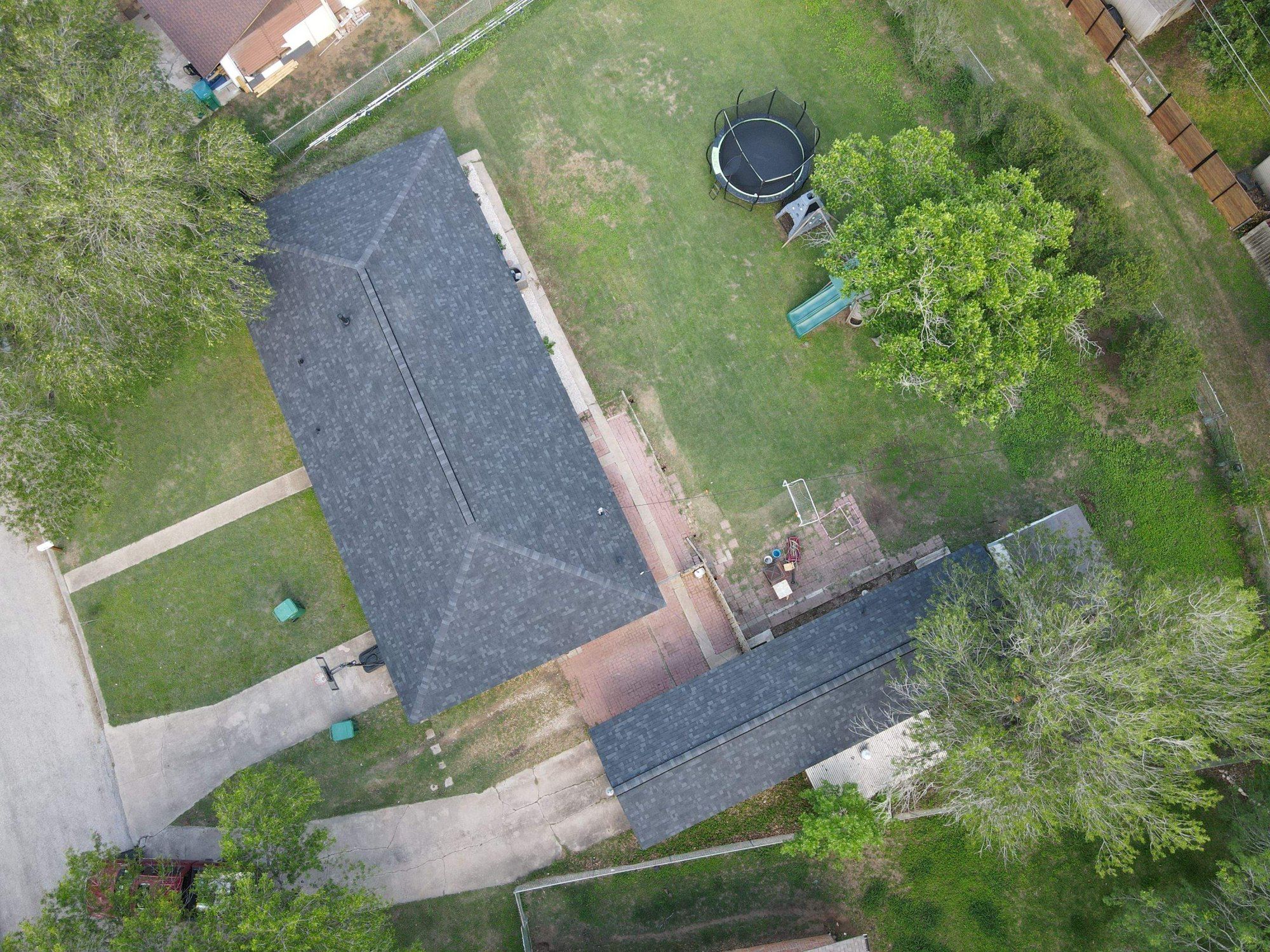
After a hailstorm, stay off your roof. Walk around your house and look for damage you can see from the ground, check your ceilings and attic for water, and take photos of anything you find. Then get your roof inspected, because a lot of hail damage can't be seen from the ground.
When hail rolls through Pleasanton, it's easy to feel stuck. The roof looks fine from the driveway, but you're not sure it is. You don't want to call someone out for nothing, and you don't want to find out about a problem when it shows up on your ceiling. Most of what you need to check, you can check without a ladder.
Stay off the roof
Even after the storm passes, a roof is no place to be. Wet shingles are slick, a steep pitch is easy to misjudge, and a fall can be serious. Everything below can be checked from the ground or from inside your house.
What to check from the ground
Walk all the way around your house. Damage is often worst on the side that faced the storm, so give that side a closer look.
- Missing, cracked or broken shingles, or pieces of shingle in the yard
- Dents in your gutters, downspouts and roof vents
- Dents in your AC unit
- Shingle granules washing out of your downspouts. They look like coarse, dark sand.
- Cracks, chips or dents in your siding, and boards that have pulled loose
- Damage to windows, screens, fences and garage doors
Dents in soft metal, like gutters and vents, tell you the hail was big enough to leave a mark. That's a good reason to have the roof itself checked, even if the shingles look fine from below.
What to check inside
Water doesn't always show up the day of the storm, so check again after the next hard rain.
- Water stains or damp spots on your ceilings
- Wet insulation or damp wood in the attic, if you can get up there safely
- Drips around light fixtures, vents or the chimney
If water is coming in, move what you can out of the way, catch the drips and give us a call at (830) 569-7698.
Take photos of everything
Photos help you keep track of what the storm did, and they're useful if you decide to file a claim. Take a wide shot of each side of the house, then close-ups of anything dented, cracked or stained. If you can, photograph a few hailstones next to a coin or a ruler, so you have a record of how big they were. Write down the date and time the storm came through while it's fresh.
Hail hits more than the roof
Hail that damages your roof often hits your siding and gutters too, and both are easy to overlook.
Even a small crack in siding lets water get behind it, where it reaches the sheathing and the framing. Check the side of the house that faced the storm for cracks, holes, chipped paint and boards that have pulled loose.
Dented gutters may still drain, but damage that loosens a seam or pulls a gutter away from the house means water ends up where it shouldn't. Water that backs up works its way under the roof's edge and into the fascia and decking.
That's why, after a storm, we check all of it, not just the shingles.
Why a lot of hail damage can't be seen from the ground
Hail knocks the protective granules off shingles and leaves dark spots, cracks and bruises. From the driveway, a roof with hail damage can look just like one without it.
Those spots may not leak right away. But without their granules, shingles wear faster in the South Texas sun, and leaks can show up months later. By then, water may have reached the decking, the rafters, the insulation in your attic and the drywall. A roof job turns into a remodel.
That's why an inspection tells you more than any walk around the yard.

When to get your roof checked
If you found any of the signs above, or the storm was bad enough that you're wondering, get your roof checked. Our inspection is free, and we'll be at your house within 48 hours of your call, weekends and holidays included. Usually it's the same day or the next.
We check your roof, your attic and the rest of your property, including gutters, windows, fences and garage doors, and we photograph everything we find. Then we sit down with you, go over the photos and lay out your options, from a repair to a full replacement. If your roof came through the storm fine, we'll tell you that too.
If you decide to file a claim, we'll meet your adjuster at your house. Questions about your policy or coverage go to your insurance company.
Know who you're hiring
After a big storm, plenty of people will offer to fix your roof. Before you sign anything, ask a few questions:
- Where are you based?
- Will you show me photos of the damage you found?
- Who do I call if something goes wrong a year from now?
We're a family business in Pleasanton, and we live here too. Every shingle roof we install carries our 5-year workmanship warranty, and every standing seam metal roof carries 10. When you call, I answer. If you need something, I'll be there.